Water Supply Alternatives in Odesa
Overview of the water supply situation in Odesa and alternative water sources during the power outage.


The Odesa port has initiated the implementation of a new cargo transportation management module called DocPort. This system allows drivers to pre-arrange passes that are sent in a convenient format via messenger. Any device with internet access is required for this.
The primary goal of DocPort is to reduce queues at the port entrance, minimize truck downtimes, stabilize vehicular flow, and improve cargo handling efficiency. The system enables the storage of data regarding cargo, fleets, preparation of entry documents, queue control, and quick responses to unforeseen circumstances, such as vehicle breakdowns. Additionally, utilizing DocPort minimizes paper usage and reduces bureaucratic procedures during entry checks.
“In the current conditions of war and high responsibility, we must ensure the speed and maximum management of all logistics processes. DocPort helps us minimize risks and improve service quality for all market participants. We are systematically scaling this solution in key seaports of Ukraine, and Odesa is a logical step in this process,” said Oleksandr Semyhrha, Head of the State Enterprise “AMPU.”
DocPort operates through a “controlled entry” mechanism: drivers wait at designated areas, where they can activate their passes. This allows only those vehicles that are ready to enter to receive active passes. All information is stored in a unified database, so drivers and vehicles need to be registered only once, making this data accessible across all ports connected to the system.
The system has been entirely developed by specialists of the State Enterprise “AMPU” and is free for all market participants, open for connection to other companies involved in cargo handling.
“We are building an infrastructure that addresses real challenges — military, economic, and logistical. Creating digital tools like DocPort is an investment in the future competitiveness of Ukrainian ports, logistics efficiency, and process transparency,” emphasized Oleksandr Semyhrha.
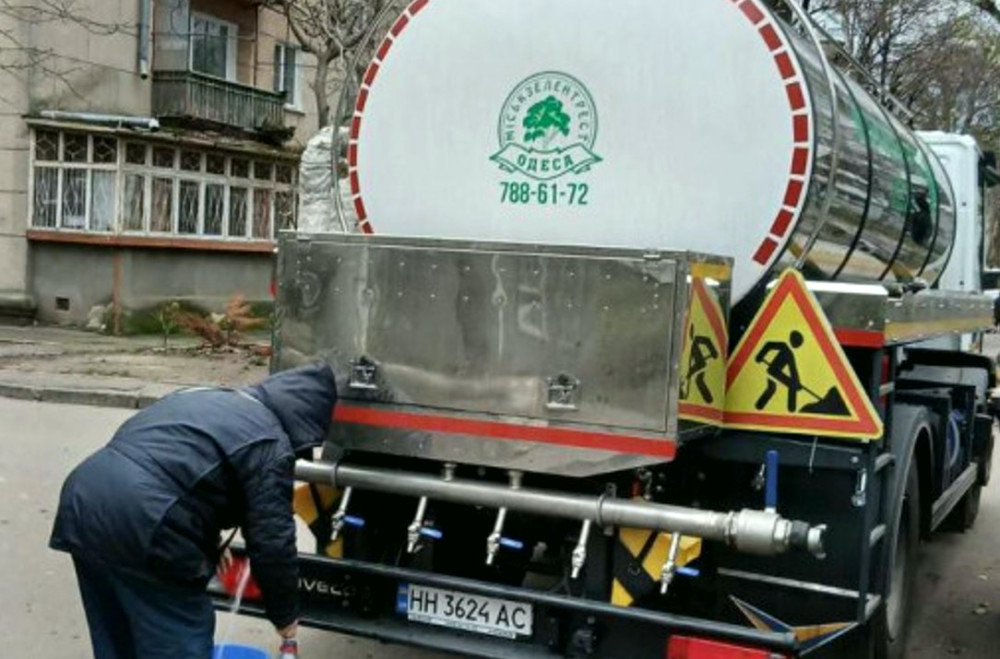
Overview of the water supply situation in Odesa and alternative water sources during the power outage.
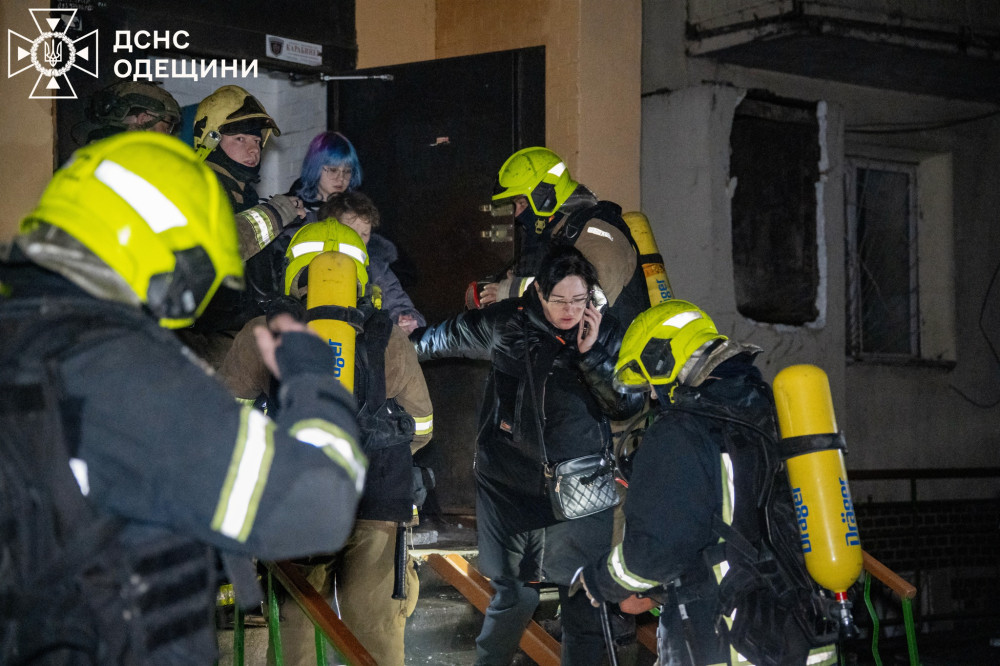
The situation in Odesa worsens as new drone attacks lead to damage to residential buildings and infrastructure.
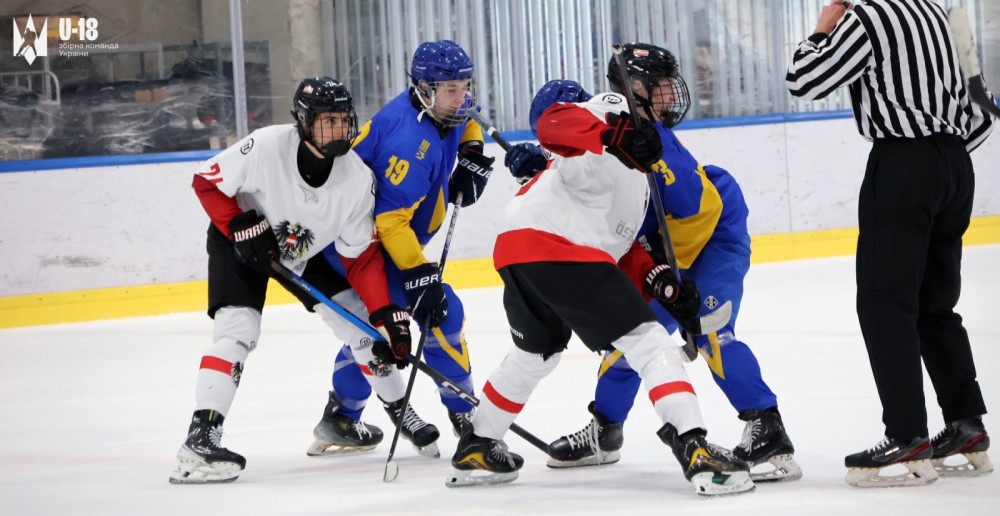
The Ukrainian junior ice hockey team achieved victory at an international tournament in Austria, preparing for the world championship.