
Water Supply Alternatives in Odesa
Overview of the water supply situation in Odesa and alternative water sources during the power outage.


In Odesa, patients suffering from rare diseases who require long-term treatment are provided with vital medications and specialized nutrition at no cost, thanks to the City Target Program "Health".
For 2025, the Odesa city budget allocates 26.8 million UAH to support patients with rare diseases. This support represents a significant enhancement in their quality of life, reducing the risk of severe complications and alleviating financial burden on families.
As part of the "Health" program, 21 patients with phenylketonuria, including 12 children and 9 adults, have been provided with special dietary mixtures. This enables them to receive essential nutrition rich in protein, which is crucial during their growth and development, helping to maintain their physical and mental health. Consistent provision of therapeutic nutrition helps prevent complications as they age.
For patients with juvenile rheumatoid arthritis, over the past nine months, 60 children and 50 adults have received biological medications funded by the state budget. Additionally, within the "Health" program, three adult patients received high-cost biological medications funded by the city budget, which are not covered by state funding.
This access to biological medications has significantly improved patients' well-being, alleviating pain and enhancing the quality of life for both children and adults, allowing them to lead socially active lives and participate in dance groups and sports activities.
Throughout the first nine months of 2025, 175 patients with other rare diseases were provided with medications, including 132 patients with ankylosing spondylitis and 29 individuals with psoriatic arthritis, as well as patients with acromegaly, Takayasu disease, and other complex conditions.
For many years, children with hemophilia in Odesa have received essential blood clotting factor medications free of charge through city budget funding due to the lack of centralized supplies mandated by law. This has prevented serious bleeding and the need for urgent hospitalizations. Currently, 11 children with hemophilia are receiving replacement therapy for blood clotting factors funded by the state budget.
Timely and accessible treatment has greatly improved the quality of life for patients with rare diseases, allowing them to live fulfilling lives and halt the progression of disabilities.
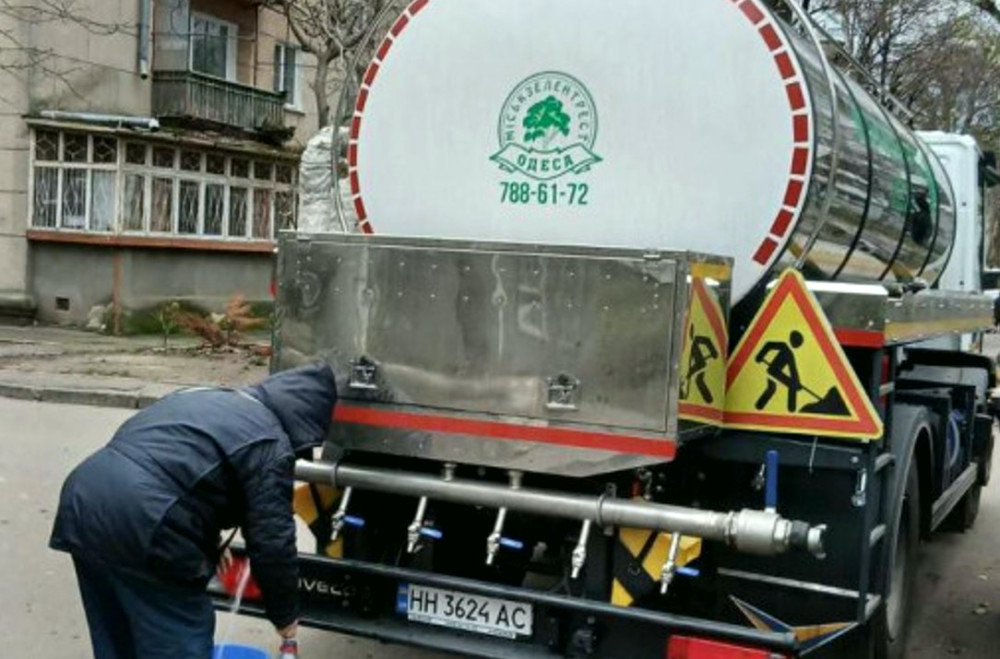
Overview of the water supply situation in Odesa and alternative water sources during the power outage.
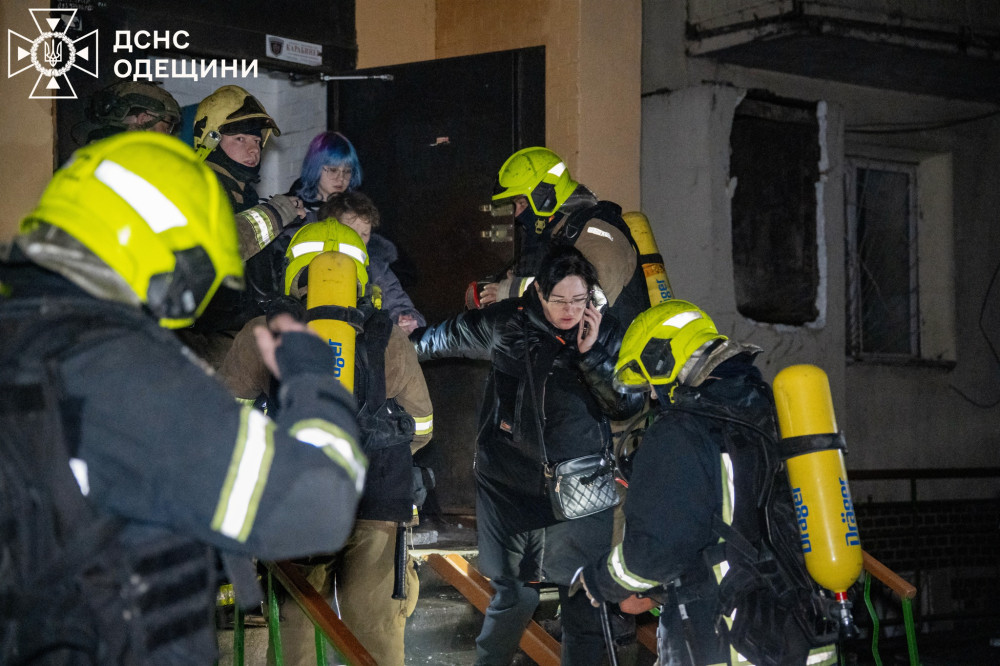
The situation in Odesa worsens as new drone attacks lead to damage to residential buildings and infrastructure.
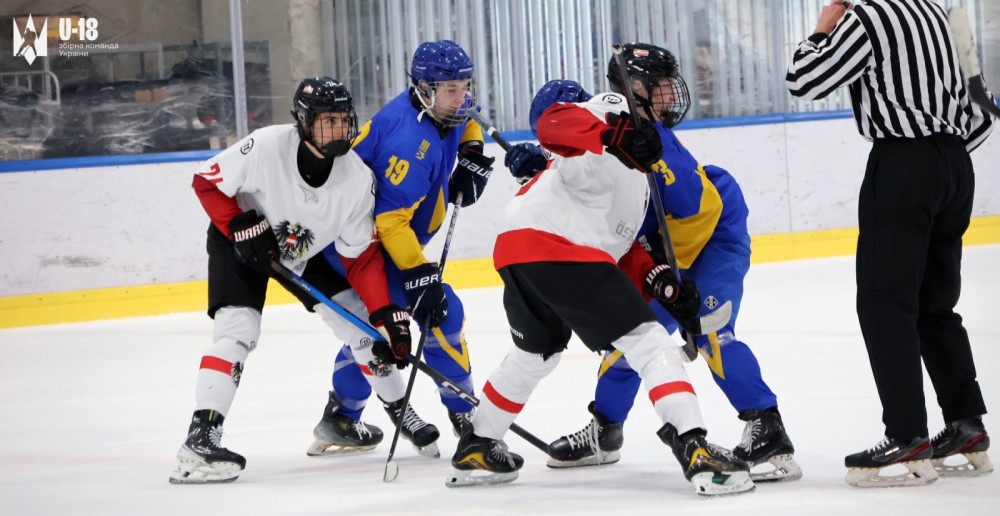
The Ukrainian junior ice hockey team achieved victory at an international tournament in Austria, preparing for the world championship.