Water Supply Alternatives in Odesa
Overview of the water supply situation in Odesa and alternative water sources during the power outage.


A new therapeutic book aimed at children affected by war has been released in Odessa. Titled «War Through a Child's Eyes», this publication serves not just as a narrative but also as a profound psychological support tool based on real-life experiences of Ukrainian families impacted by the war.
The book is a voice for children living in the shadows of conflict. «War Through a Child's Eyes» goes beyond being just a story. It initiates a heartfelt dialogue that is difficult yet necessary. Written by Odessa native, psychologist, and mother of three, Olga Grytsyk, this book emerges from genuine pain, maternal concern, and a desire to heal.
The narrative centers around a boy named Vladik, the youngest of three children in a family forced to flee their home due to the war. However, it represents the story of countless Ukrainian families. It embodies the voice of every child who one day asked, «Where is our home now?»
This is not fiction — it’s lived experience.
This is not merely a plot — it's a journey.
This is not only words — it’s support interwoven on every page. «War Through a Child's Eyes» is a book that heals. A story in which every child can recognize themselves, — said the book's author.
The book comprises 35 chapters, each gently incorporating therapeutic techniques: art therapy, NLP, metaphorical imagery, visualizations, and breathing exercises. The techniques are presented so naturally that a child reads — and heals, unaware of how their fears dissolve in the words.
Psychologist Tetiana Zbrishchak, specializing in trauma from war, contributed to the book's creation. She helped infuse the text with therapeutic depth and internal strength. Her voice narrated the audiobook version so that mothers could listen together with their children, touching on significant and silent topics.
Do not scold children for «not listening». They are hurting. They hold anxiety within. By reading or listening to this book, a child stabilizes. Their behavior, attention, and learning begin to improve, — explains Tetiana.
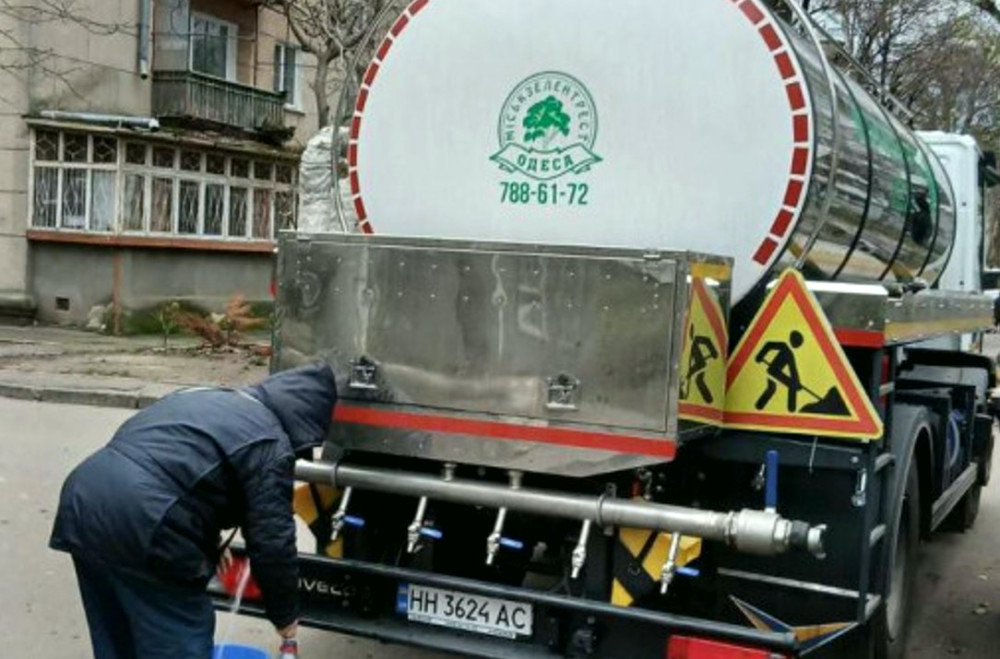
Overview of the water supply situation in Odesa and alternative water sources during the power outage.
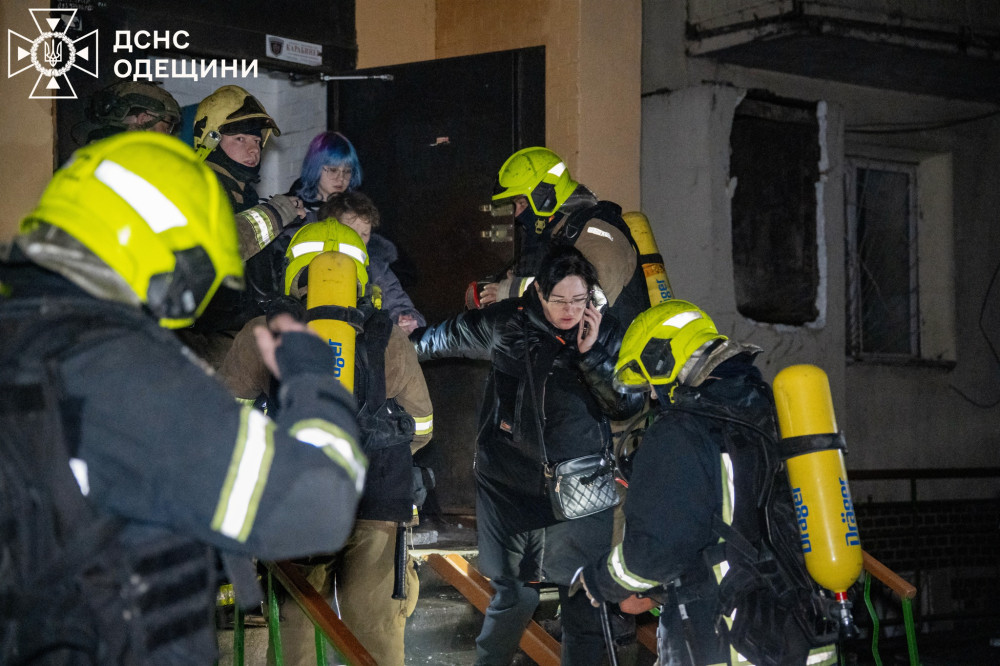
The situation in Odesa worsens as new drone attacks lead to damage to residential buildings and infrastructure.
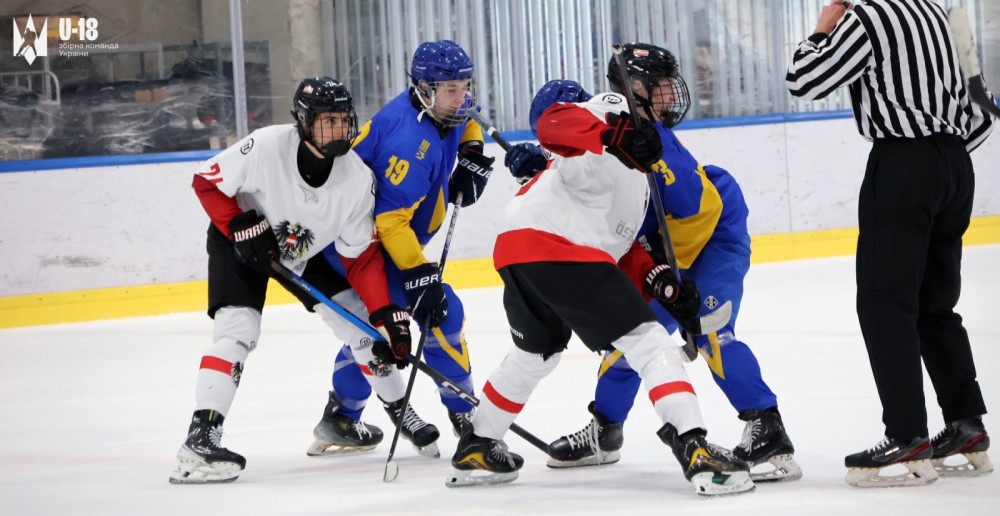
The Ukrainian junior ice hockey team achieved victory at an international tournament in Austria, preparing for the world championship.