

Massive Attack on Odesa: Consequences of Night Strikes
Enemy forces launched a massive attack on Odesa at night, resulting in numerous casualties and destruction. Ongoing updates on the situation.


Odesa has 33 municipal healthcare facilities providing urgent, planned, and palliative care to the population, military personnel, and internally displaced individuals.
In light of the challenges posed by the ongoing war, a key priority is ensuring the autonomy and energy independence of medical institutions.
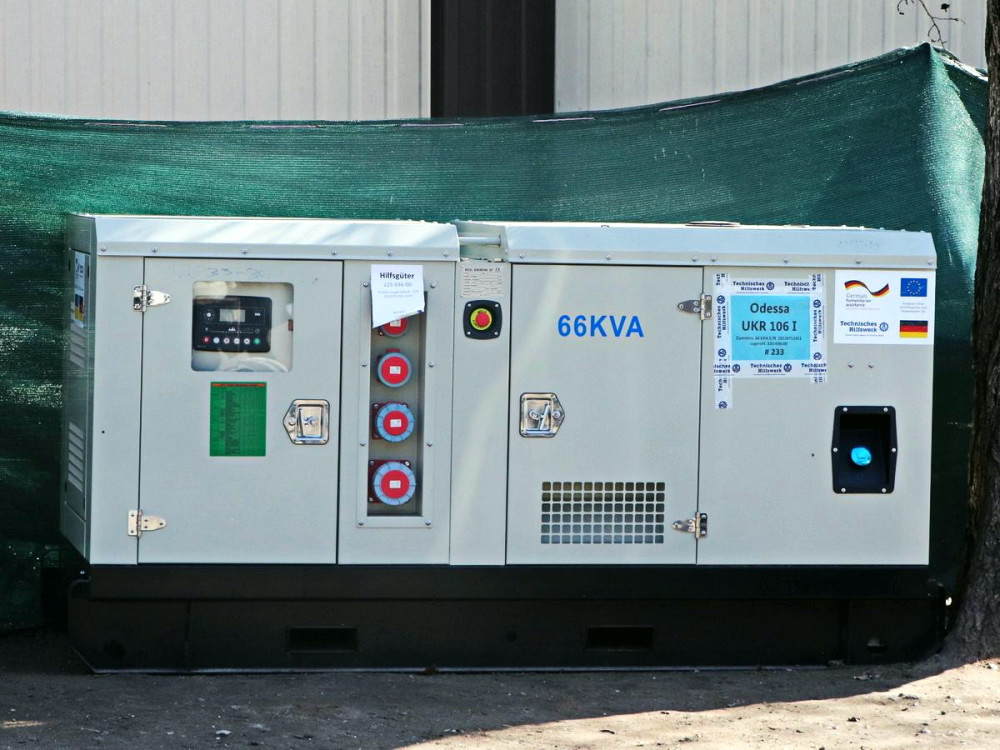
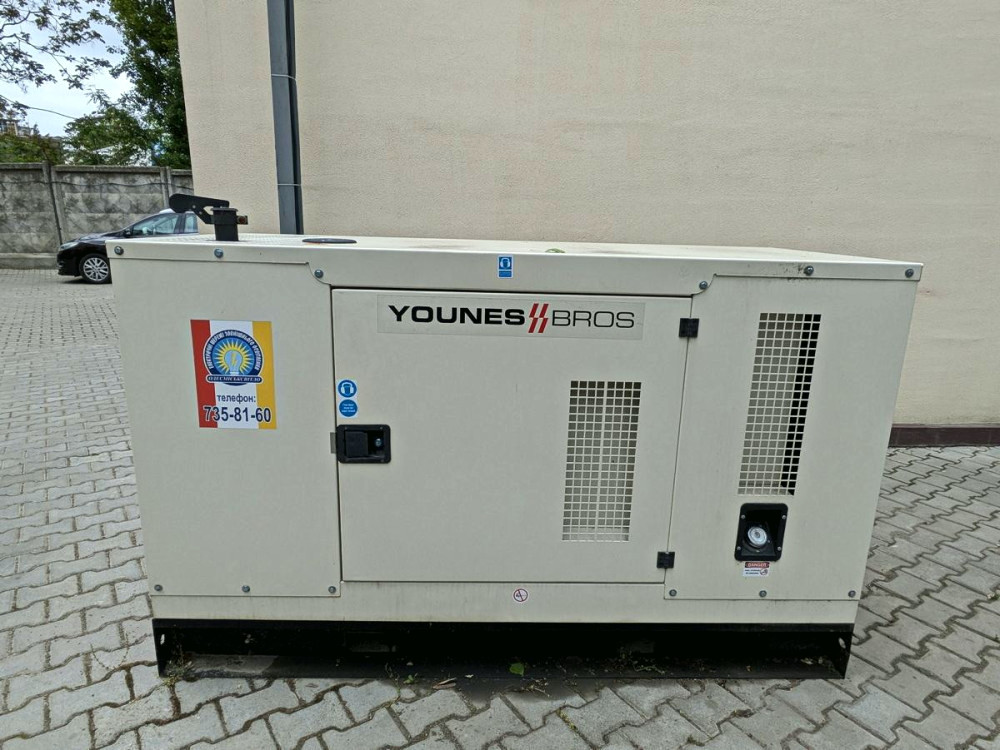
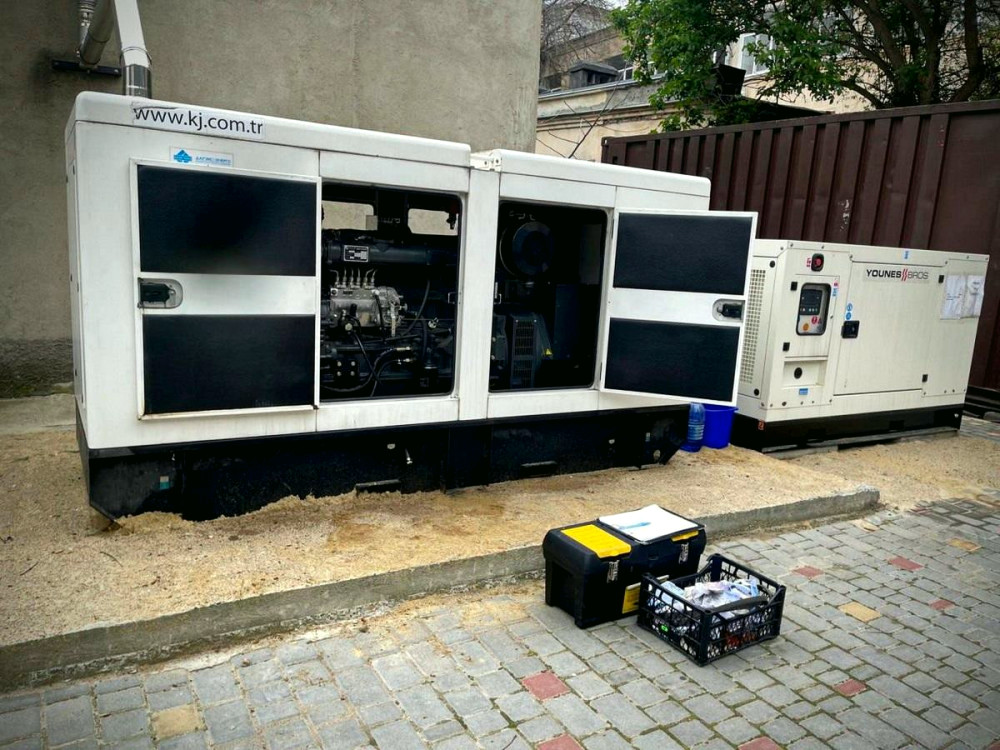
All medical facilities are equipped with diesel and gasoline generators of various capacities in case of power outages. Currently, there are 152 generators in medical establishments, including 63 high-capacity generators. In the event of a centralized power supply failure, high-capacity generators in city cluster hospitals that provide round-the-clock medical assistance automatically activate to ensure the operation of medical equipment.
Seven healthcare facilities are equipped with solar power plants and energy storage devices.
In hospitals and their structural divisions, there are 14 gas, diesel, and solid-fuel boiler houses, allowing for autonomous heating. Additionally, some hospitals are undergoing preparatory work to install modular boilers using alternative fuel as part of a Memorandum with the World Health Organization in Ukraine.
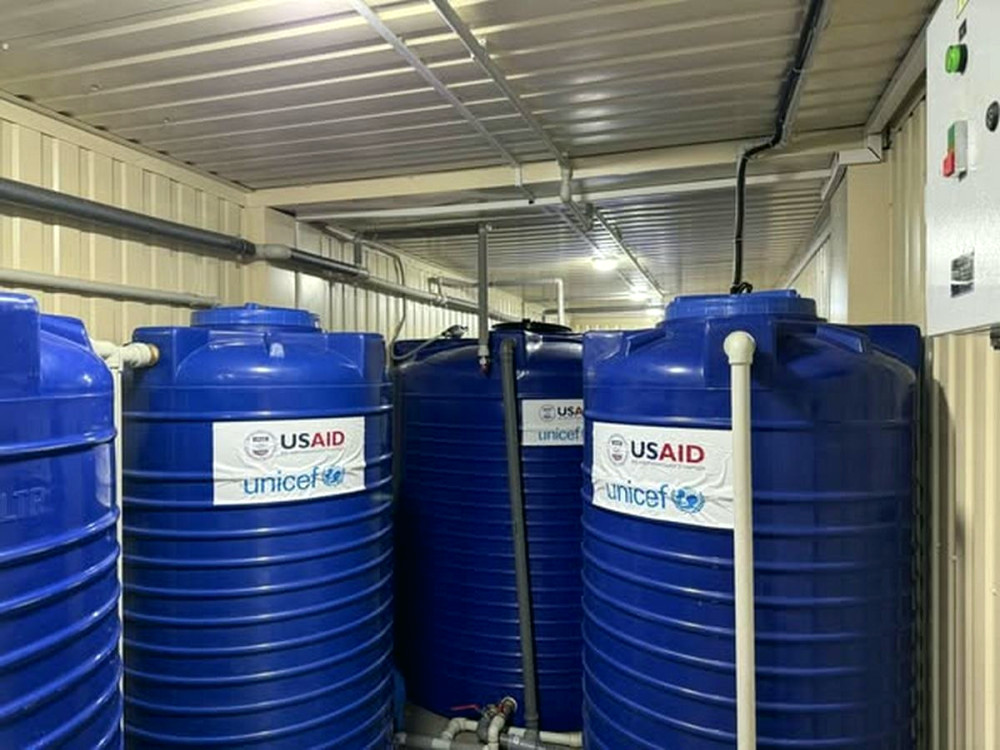
With financial support from UNICEF, artesian wells and drinking water stations have been set up on the premises of four city hospitals to ensure autonomous water supply. Medical facilities are stocked with technical and drinking water reserves.
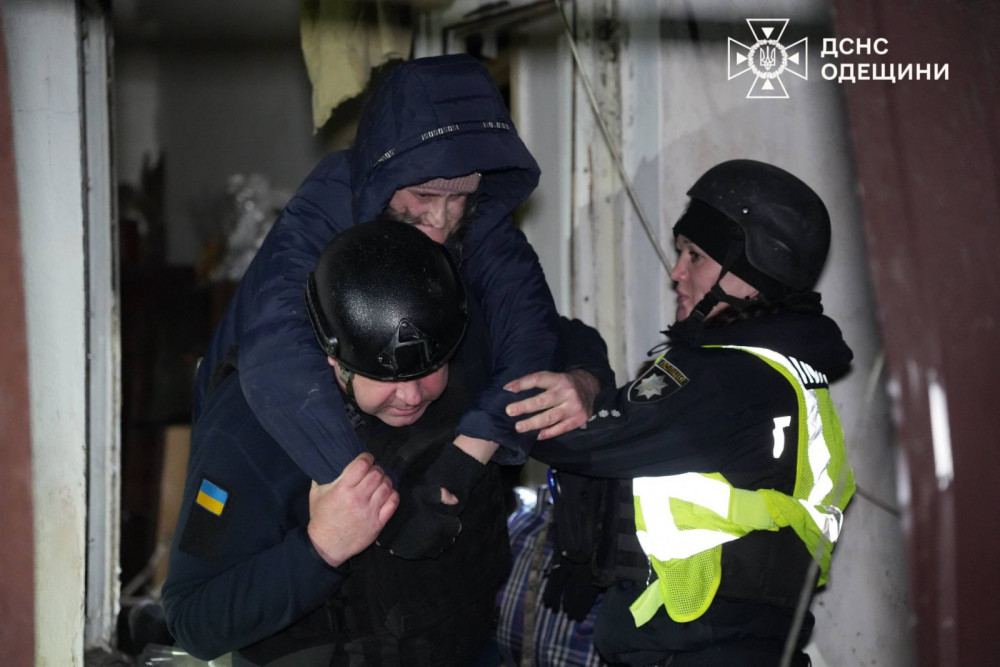
Enemy forces launched a massive attack on Odesa at night, resulting in numerous casualties and destruction. Ongoing updates on the situation.
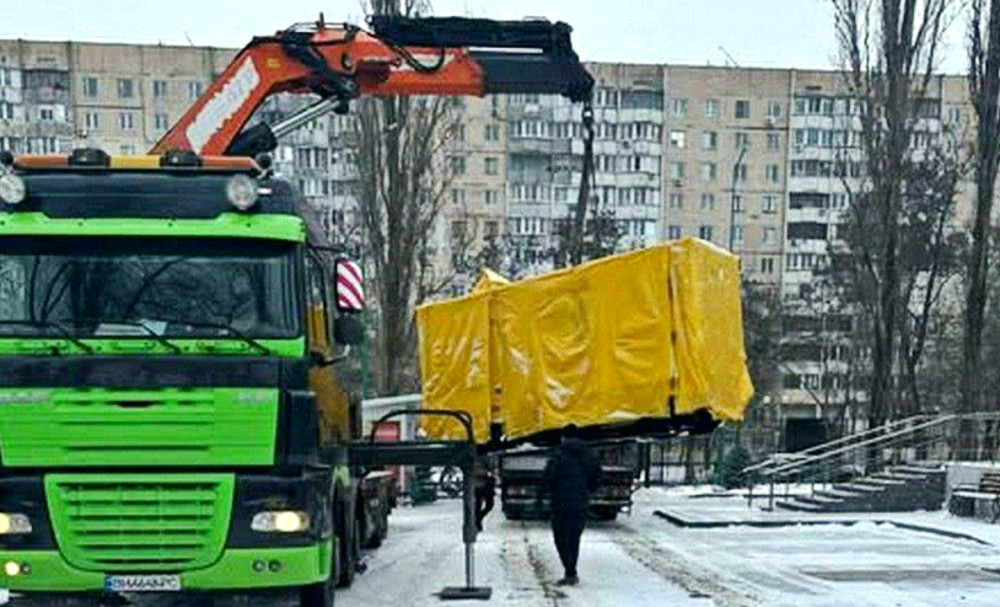
International assistance to Odesa during wartime: new generators for the children's hospital.

In Odesa, veterans have started playing pickleball, promoting physical and psychological rehabilitation.
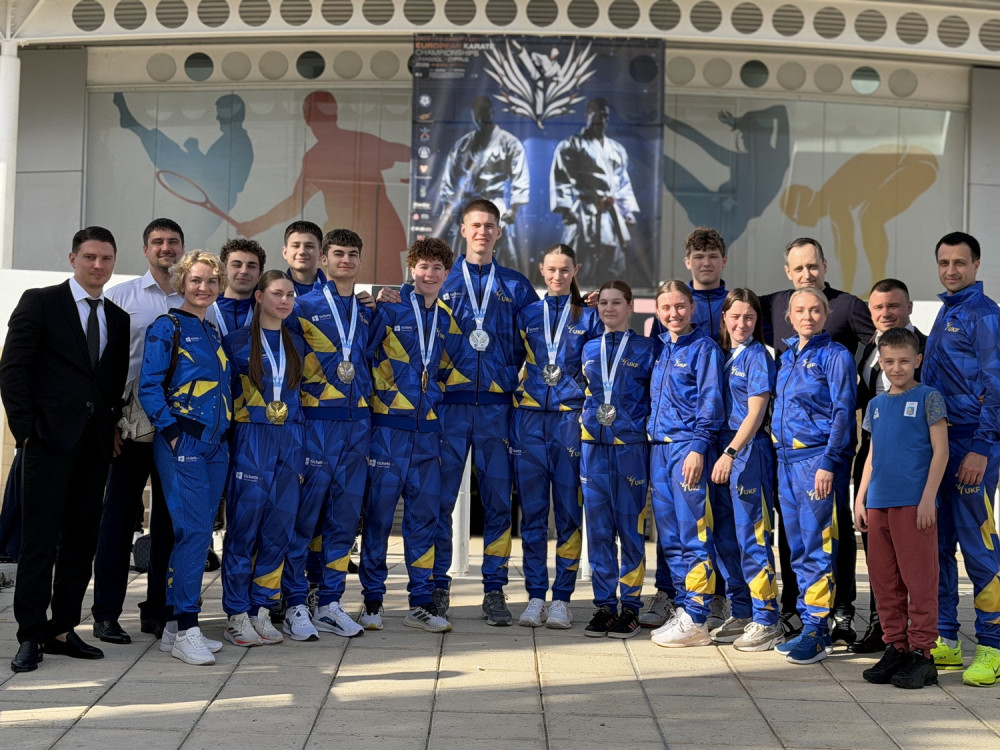
Odesa athletes excelled at the European Karate Championship, winning five medals.

Doctors from Odesa participated in the 13th Winter Stroke School in Switzerland, discussing novel treatment methods.
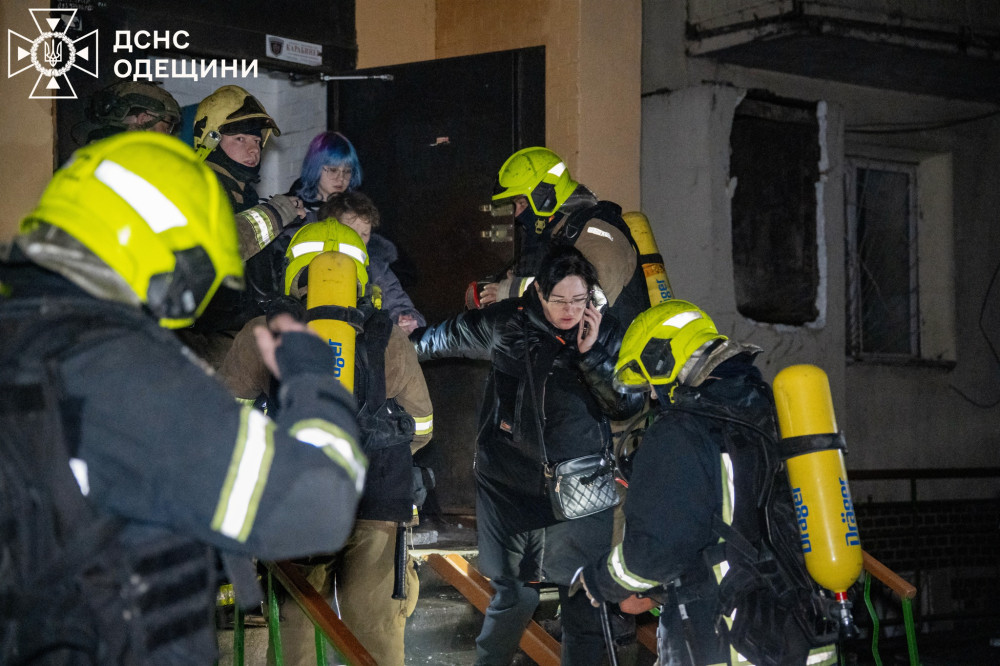
The situation in Odesa worsens as new drone attacks lead to damage to residential buildings and infrastructure.
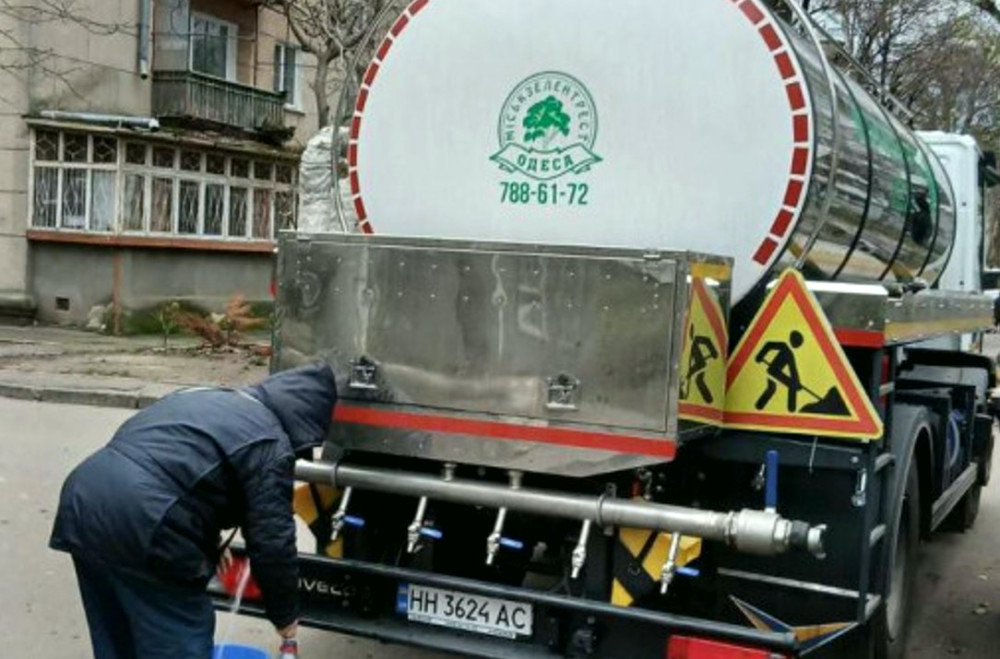
Overview of the water supply situation in Odesa and alternative water sources during the power outage.
The situation in Odesa worsens as new drone attacks lead to damage to residential buildings and infrastructure.
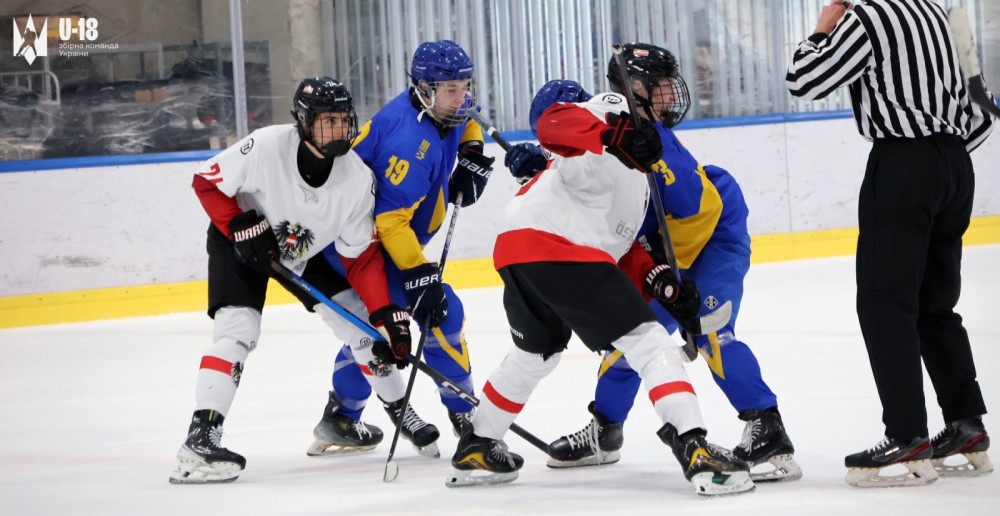
The Ukrainian junior ice hockey team achieved victory at an international tournament in Austria, preparing for the world championship.