
Night Attack on Odesa: Casualties and Destruction
A drone attack in Odesa overnight resulted in one fatality and multiple injuries.


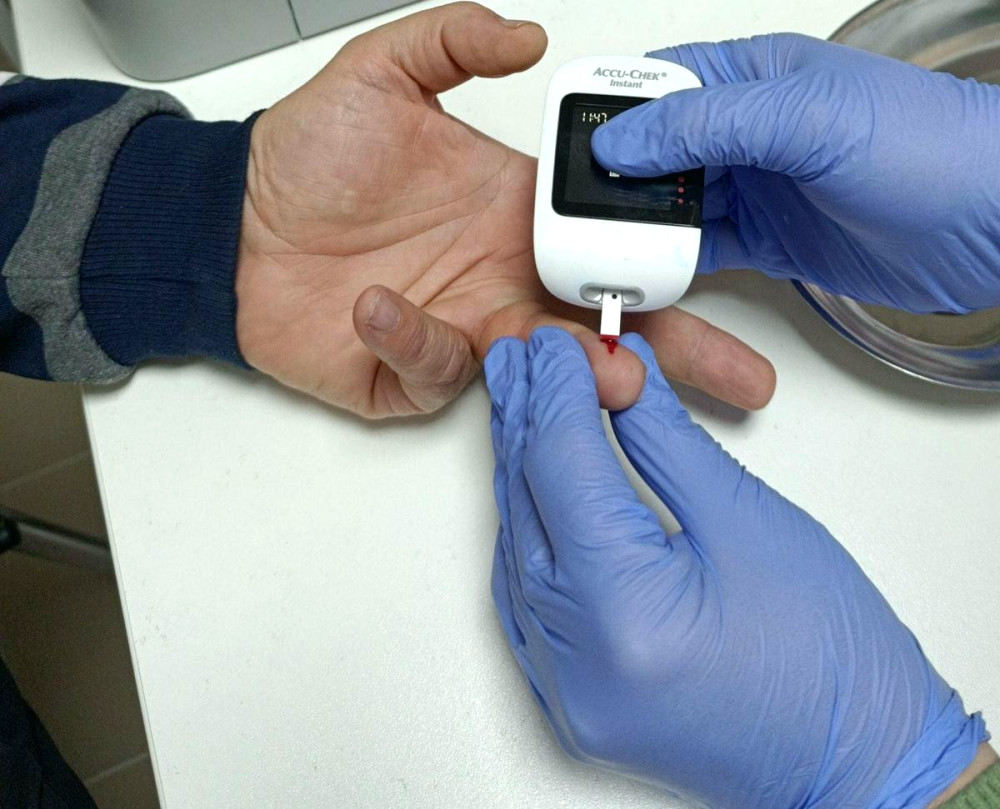
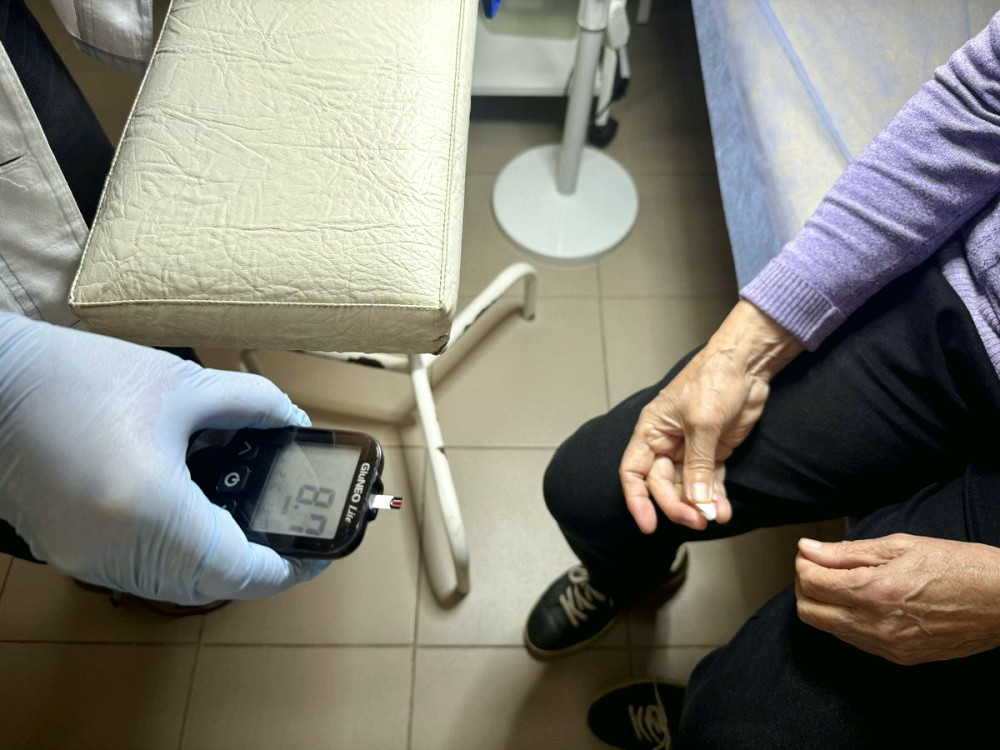
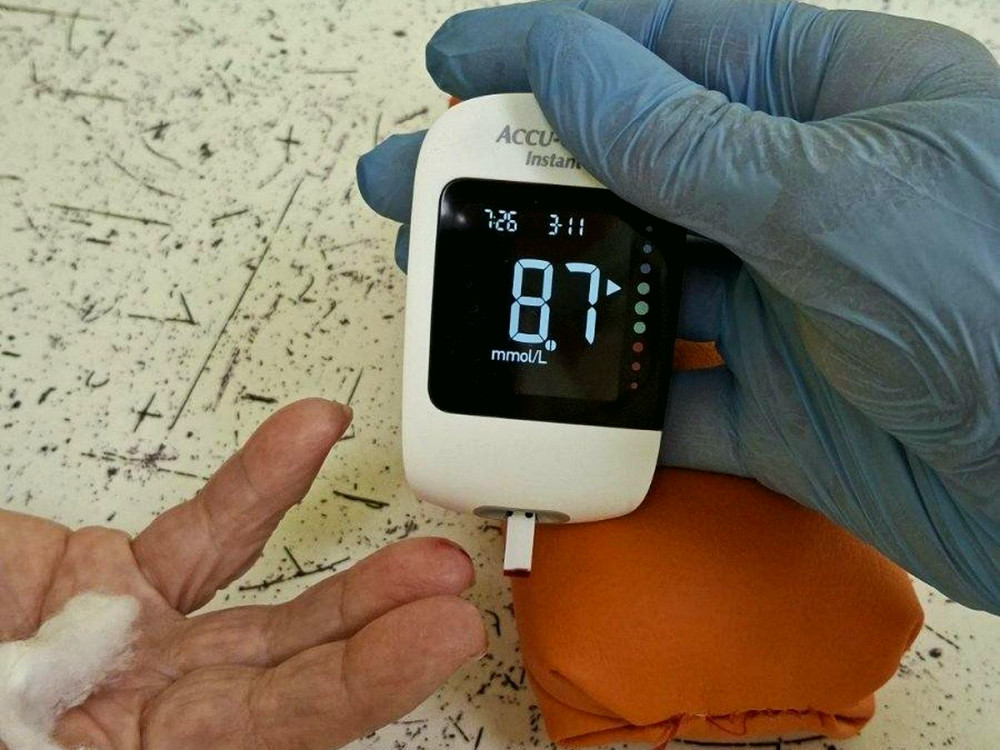
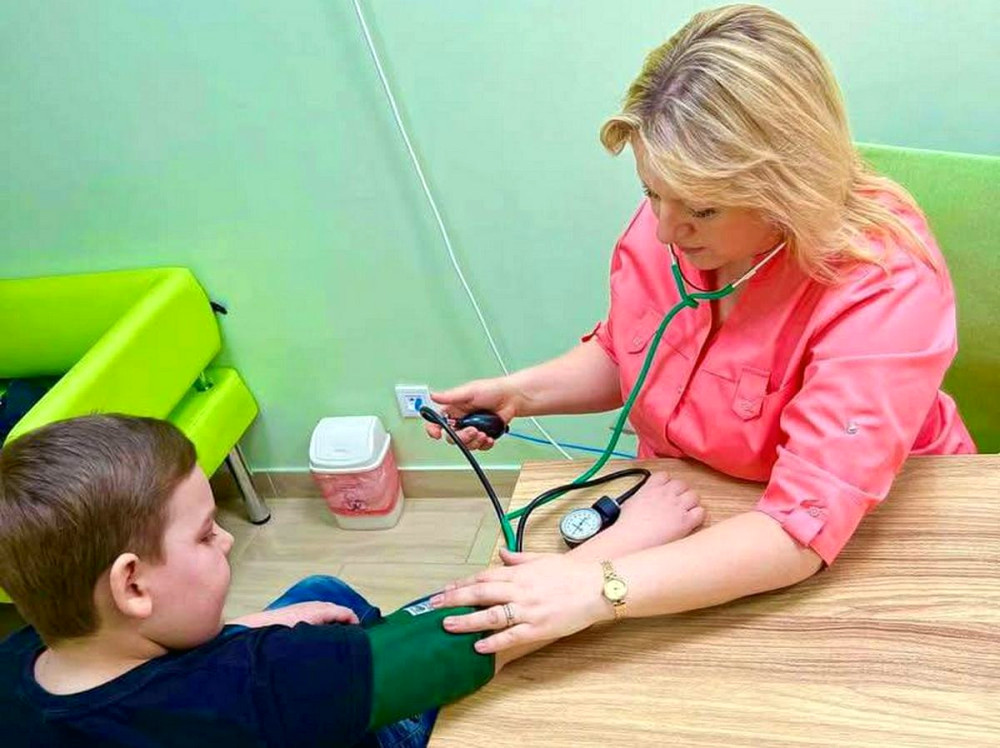
Last week, health facilities in Odesa hosted a Diabetes Prevention and Early Diagnosis Day for adults and children.
This initiative was organized with the support of the Odesa City Council's Health Department and the Odesa City Health Center.
During the event, doctors offered blood glucose level measurements, blood pressure checks, and assessments of height, weight, and body mass index, providing consultations and electronic referrals for laboratory tests and specialist consultations when necessary.
Additionally, healthcare professionals engaged with visitors on the topics of diabetes prevention, early detection, risk factors for type II diabetes, healthy lifestyle habits, nutrition principles, and physical activity.
As a result, a total of 3130 residents of Odesa participated in the screenings, including 2280 adults and 850 children.
Among adult patients, 296 cases of elevated blood pressure and 161 instances of elevated blood glucose were identified. 467 patients had a higher body mass index, and 227 individuals were referred for further laboratory tests.
In children, 10 cases of high blood pressure and 13 instances of elevated blood glucose were detected. 91 children had a body mass index above normal, and 76 were referred for cholesterol testing.
Throughout the event, doctors provided 2986 consultations, with 706 of these for children.
***
Diabetes is a chronic endocrine condition characterized by elevated blood glucose levels, leading to metabolic disturbances. It can result in severe complications such as heart attacks, strokes, kidney damage, and vision problems.
Symptoms of diabetes include thirst, persistent hunger, frequent urination, significant weight changes, fatigue, and vision issues.
Type I diabetes is insulin-dependent, requiring daily insulin therapy, and typically develops quickly, often in younger individuals. Genetic factors are the main risk contributors.
Type II diabetes is associated with insulin resistance and usually develops gradually, often without symptoms. Many risk factors are linked to lifestyle, making it preventable.
Risk factors for type II diabetes include excess weight, sedentary lifestyle, stress, pancreatic diseases, heart issues, hypertension, and age (risk increases threefold every decade after 40).
Prevention of type II diabetes:

A drone attack in Odesa overnight resulted in one fatality and multiple injuries.

An exhibition dedicated to the Ukrainian flag and the soldiers of the 20th brigade 'Liubart' on Unity Day.
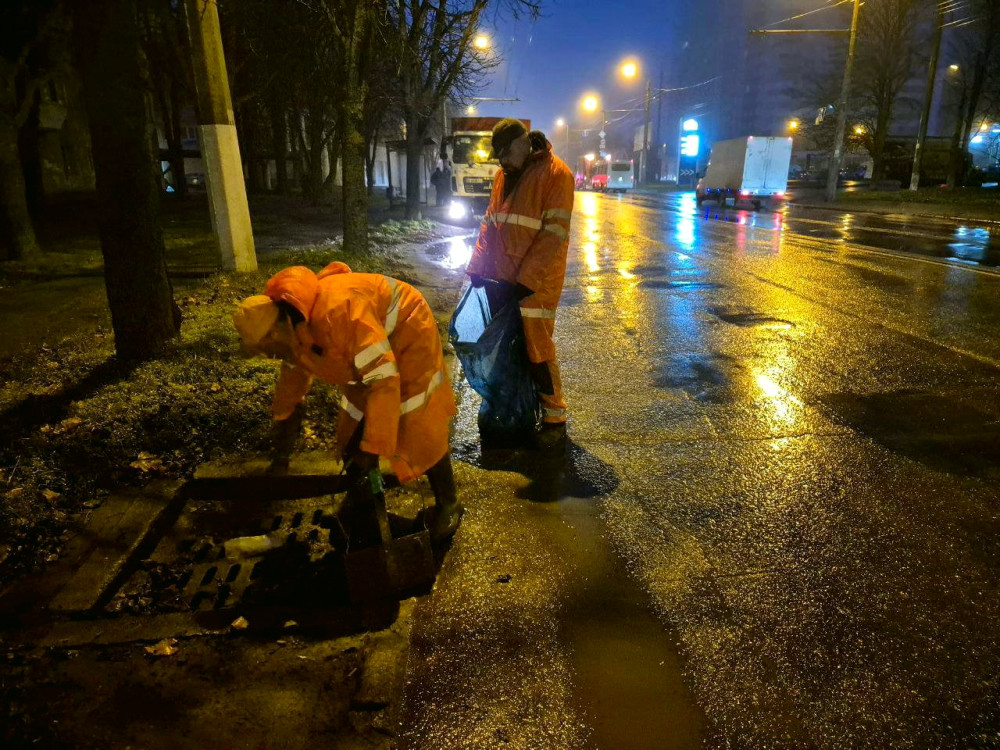
Learn how the city of Odesa tackles the issue of flooding during prolonged rains and what measures are taken to mitigate the effects.

An open tennis training session for war veterans took place in Odesa, aimed at promoting adaptive sports.

The committee has given Kyivstar the go-ahead to purchase Tabletki.ua, concluding a lengthy approval process.

Odesa has received new generators as part of international assistance to enhance its energy infrastructure.

Overview of the water supply situation in Odesa and alternative water sources during the power outage.

The situation in Odesa worsens as new drone attacks lead to damage to residential buildings and infrastructure.

The Ukrainian junior ice hockey team achieved victory at an international tournament in Austria, preparing for the world championship.